
Closing the Small Business Resilience Gap: What We’ve Learned and What Comes Next
Most small businesses don’t fail during disasters—they fail in the months after, when recovery becomes too complex, too expensive, and too slow.
After Vermont's catastrophic summer floods of 2023, which affected almost half of all firms in the central part of the state and caused over $300 million in damages, we began working with small businesses through our ClimateReadyVT program, developed in partnership with Vermont Businesses for Social Responsibility (VBSR).
Since then, we’ve worked with more than 70 businesses and organizations across Vermont (plus neighboring New York and New Hampshire). And we've shared our experiences with resilience practitioners across the country.
Among the most important things we’ve learned is that this isn’t just a Vermont problem, it’s really a national resilience gap.
Small businesses employ almost half of all private sector workers in the U.S. and drive most of the country’s job growth. In rural states like Vermont, small businesses are even more economically important, accounting for 60% or more of private sector employment. Most small businesses, however, aren’t equipped to adapt to and manage the flooding, drought, very high temperatures, and wildfire smoke that are reinforcing the reality of growing climate-related disruptions. And when small businesses struggle, the impacts often ripple out into the community’s job market, municipal revenues, housing stability, and long-term economic vitality.
So why, with everything we know, are so many small businesses still unprepared?
From our nearly 3 years of working with small business owners and leaders, we see four key factors that emerge consistently:
The Bandwidth Reality - Small business leaders work under constant pressure, managing staffing, costs, and day-to-day operations. Resilience planning gains traction only when it’s simple and practical, with clear ties to financial outcomes like reducing downtime and minimizing recovery costs.
The Competing Risk Context - For many business owners, climate risk often feels abstract compared to the immediate business demands. Planning for an unpredictable future while trying to stay up and running today is a real tension. The shift happens when resilience is framed as core business continuity risk management rather than a separate environmental or technical exercise.
The Peer Community Effect - Like most of us, small business people feel more empowered and supported when they have opportunities to talk with peers about risks and how to manage them. When they hear how peers are preparing - or recovering - resilience becomes a practical opportunity. These shared experiences build both operational clarity and emotional resilience in the face of growing uncertainty.
The Power of Small Steps - Resilience doesn’t require large capital investments or complex plans. Simple, incremental actions, such as clarifying staff roles, protecting key assets, strengthening supplier contingencies, and improving communication protocols, can significantly reduce disruption. The key is embedding a resilience perspective into everyday decision-making.
If you work closely with small businesses, this probably won’t surprise you. The challenge is that most tools and approaches are too technical, demand too much bandwidth, or are too disconnected from how small businesses actually operate and make spending decisions. So where can real progress come from?
Business associations, chambers of commerce, and economic development organizations have an important opportunity to help close this resilience gap - and they’re uniquely positioned to do it.
They already have what most solutions lack: trust, networks, and convening power.
When resilience is built into what they already do—leadership programs, business retention efforts, regional strategy—it becomes more practical, accessible, and far more likely to stick.
Because when small businesses shut down, or struggle to recover, the impact doesn’t stay contained. It ripples outward:
Jobs are lost
Municipal revenues decline
Housing stability weakens
Local economies lose momentum
This isn’t just about climate risk.
It’s about economic resilience.
We’re now exploring how to bring this approach to organizations nationwide.
If you work closely with small businesses, we’d love to hear from you. What’s actually working in your city or region, and where are the gaps holding back businesses?
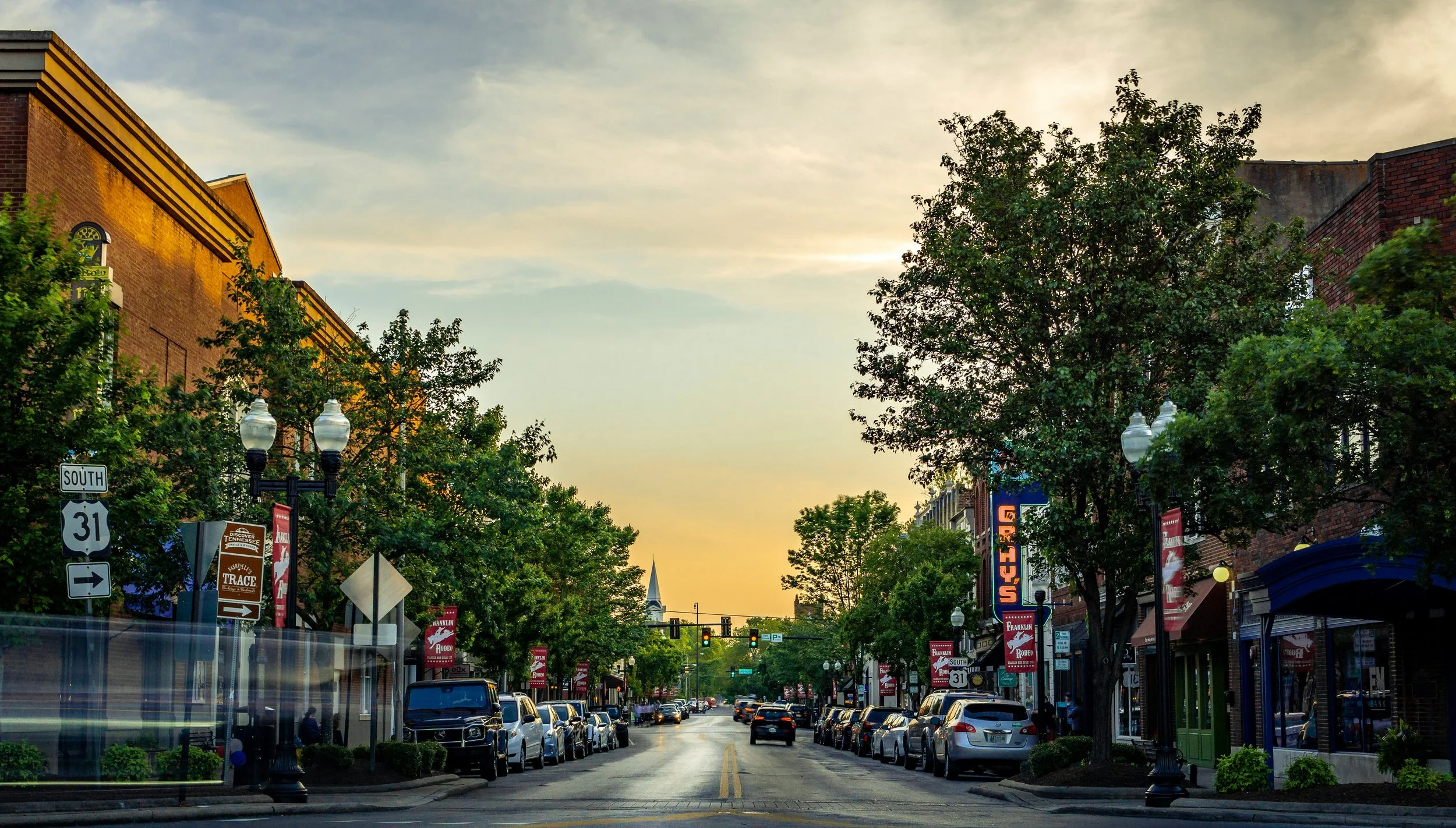
Photo by Brandon Jean on Unsplash